Expert Locksmith: When to Call the Experts for Your Security Needs
A skilled locksmith plays an essential role in preserving protection. A large number of people miss the telltale signs that point to a need for professional help. Issues like a damaged lock or the consequences of a burglary can compromise security. Understanding when to seek help is essential. As security threats develop, so do the countermeasures. What factors should be evaluated before picking up the phone?
Recognizing the Signs: When You Need a Locksmith
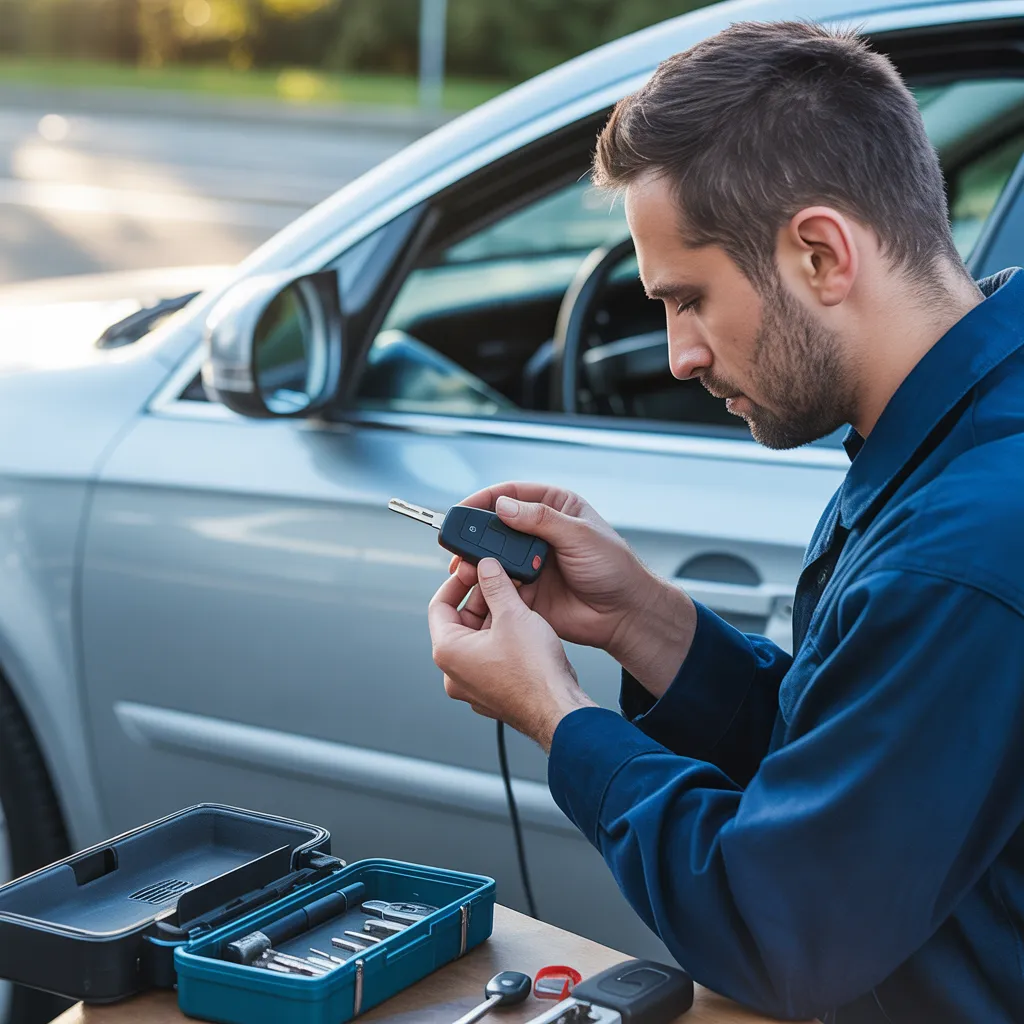
When is it appropriate to reach out to a locksmith? Someone might need to reach out to a locksmith when they experience problems with their locks or security systems. Symptoms including a broken key lodged in the lock or a lock that is increasingly challenging to turn serve as clear warning signs of trouble. Additionally, if someone experiences repeated instances of being locked out, it may signal a need for professional assistance.
In addition, upon moving into a new residence, it is recommended to consult a locksmith to update the locks to ensure safety. Safety improvements, such as incorporating sophisticated locks or alarm devices, also call for specialist assistance. As a final point, if a homeowner notices signs of forced entry or tampering, urgent action should be pursued by engaging a locksmith to review and improve safety measures. Recognizing these signs guarantees that individuals can maintain their safety and peace of mind.
Why Calling a Locksmith When Locked Out Is Crucial?
Experiencing a lockout can be a frustrating and stressful situation. In such moments, the importance of calling a professional locksmith cannot be overstated. An experienced locksmith has the specialized tools and skills necessary to handle lockouts effectively and safely, reducing the likelihood of damage being caused to your property. Attempting to gain entry without professional help can lead to broken locks or doors, resulting in costly repairs.
Additionally, locksmiths are equipped to handle diverse types of locks and security systems, guaranteeing a prompt resolution designed for the specific situation. Their familiarity of security protocols also enhances the safety of the property after re-entry. Moreover, professional locksmiths can provide useful advice on improving security measures, minimizing the chance of future lockouts. At the end of the day, relying on a locksmith is not just about regaining entry; it is an critical step in safeguarding both the integrity of the property and the peace of mind of the individual shut start here out.
What to Do When You're Locked Out?
Finding yourself locked out can be an unsettling situation that calls for quick thinking. The most important thing is to remain calm and assess the situation. Inspecting for any accessible windows or alternative entry points can at times present a straightforward fix. When no viable solutions can be found, it is wise to reach out to a reliable friend or relative who may hold onto an extra copy of your key.
Should these measures prove unsuccessful, seeking professional assistance becomes essential. Calling a locksmith is often the most effective way to regain access quickly and safely. People should refrain from trying to force their way in, as this can create significant damage that may require costly fixes.
Before the locksmith arrives, having the essential documentation ready, like a valid ID and proof of residency, can expedite the process. Ultimately, being locked out serves as a reminder of how crucial it is to have a contingency plan for getting into secured locations.
The Smart Reasons to Upgrade Your Locks
Once a lockout situation has been resolved, most homeowners acknowledge the importance of keeping their homes secure. Upgrading locks becomes a proactive measure to strengthen home protection. Outdated locking mechanisms frequently lack the necessary safeguards against contemporary break-in methods, making it essential to invest in more secure options.
High-security locks, for instance, deliver cutting-edge features that discourage unwanted access. These security solutions commonly incorporate pick-resistant technology and resilient materials, providing a more reliable barrier. Moreover, advanced smart locks deliver practical convenience and remote monitoring, empowering homeowners to manage their security from virtually anywhere.
Additionally, insurance companies may extend improved rates for homes that have upgraded security systems, providing financial incentives for homeowners to strengthen their lock systems. In the end, upgrading locks not only enhances physical security but also encourages peace of mind, guaranteeing that residents remain safe in their own environment. This thoughtful investment is a critical step toward thorough home security.
What to Expect From a Comprehensive Security Assessment
When property owners request a comprehensive security evaluation, they can expect an in-depth analysis of their home's weaknesses and strong points. Professional locksmiths begin by inspecting entry points such as garages, doors, and windows to pinpoint possible vulnerabilities. They examine the integrity and functionality of existing locks, flagging any deteriorated or aging components that may weaken the property's defenses.
In addition, the evaluation includes assessing the nearby environment, taking into account factors like community crime levels and line of sight. Licensed locksmiths typically propose enhancements such as advanced security locks or alarm systems customized for the specific needs of the property. They often deliver guidance on access management systems, monitoring cameras, and outside lighting recommendations.
The objective of the assessment is to generate a thorough report summarizing observations and recommending practical enhancements, directly supporting homeowners make knowledgeable determinations about their security arrangements. This forward-thinking method guarantees a complete strategy for defending the property against unforeseen vulnerabilities.
Common DIY Mistakes to Avoid When Dealing With Locks
When dealing with lock issues, numerous individuals make typical mistakes that can exacerbate the problem. Disregarding certain lock types, applying excessive lubricants, and improperly using tools can lead to further complications. Recognizing these pitfalls is essential for effective lock maintenance and security.
Neglecting Lock Types
Although many homeowners try to handle lock problems themselves, neglecting to recognize the specific types of locks can lead to costly mistakes. Various locks, including deadbolts, smart locks, and mortise locks, all feature distinct mechanisms and installation specifications. A lack of understanding can result in improper repairs or replacements, potentially compromising security. To illustrate, forcing a key into a misaligned lock risks damaging both the lock and the key, making expensive replacements necessary. Moreover, mistaking one lock type for another may produce ineffective outcomes and create further complications. To avoid these pitfalls, homeowners should assess their locks carefully and consider consulting a professional locksmith when uncertain about their specific needs.
Overusing Lubricants
Many homeowners make the error of applying too much lubricant to their locks, thinking that more is better for smooth operation. This frequent error can cause an excess of lubricant to build up, which attracts dust and dirt, eventually causing locks to stick or jam. Each type of lock demands a specific kind of lubricant; for instance, graphite is often preferred for pin tumbler locks, while silicone sprays are suitable for others. Applying too much lubricant can generate a slick surface that interferes with the lock's mechanism, making engagement more difficult. Rather than enhancing performance, too much lubrication can result in expensive repairs or require the assistance of a professional locksmith. Understanding the right amount and type of lubricant is essential for maintaining peak lock performance.
Properly Misusing Tools
Using the wrong tools during lock repairs can lead to frustrating outcomes and potential damage. A large number of DIY individuals overlook how critical it is to use the appropriate tool. As an example, using a screwdriver in place of a proper lock pick can strip screws or damage internal components. Moreover, exerting excessive force can lead to locks jamming or becoming permanently damaged. Frequent errors involve using pliers to rotate a key or trying to force open a stuck lock without the right technique. This often results in further complications, requiring professional intervention. In order to steer clear of these mistakes, individuals should learn about lock mechanisms and the dedicated tools intended for lock repairs. If uncertain, seeking advice from a qualified locksmith can save time and avoid expensive errors.
Commonly Asked Questions
How Can I Select a Trustworthy Locksmith Service?
To identify a trustworthy locksmith provider, one should look up online reviews, confirm credentials, ensure proper insurance, and seek recommendations. Evaluating several options ensures knowledgeable decisions, culminating in reliable and trustworthy service.
What Certifications Should a Professional Locksmith Have?
A trustworthy locksmith should possess qualifications like the Certified Locksmith (CL) credential, Registered Locksmith (RL), and the Master Locksmith (ML) certification from recognized organizations. Such qualifications demonstrate professionalism, expertise, and adherence to industry standards, ensuring reliable service for clients.
Do Locksmiths Offer 24/7 Services?
Locksmith services are often available 24/7, providing essential assistance during emergencies including lockouts and security vulnerabilities. Many professionals prioritize accessibility, guaranteeing that customers can get assistance at any time, regardless of the time.
What Are the Typical Prices for Locksmith Services?
Locksmith services typically range from $50 to $150 for standard tasks, such as lock rekeying and lockout assistance. Nevertheless, emergency services and specialized work may incur higher fees, often surpassing the $200 mark based on the complexity of the job.
Can a Locksmith Help With Electronic Security Systems?
Absolutely, a locksmith can help with electronic security solutions. These professionals possess the expertise to install, service, and maintain various electronic lock systems, guaranteeing top-level performance and security for residential and commercial properties alike.